P&O Ferries Pride of York Reviews: See Why 0 Shoppers Rated It 0 Stars!
Before adding to cart or carry-on, check what 0 people say about the P&O Ferries Pride of York. The 0/5 is just the preview.
 Supermod
 Moderator
 Recaptor
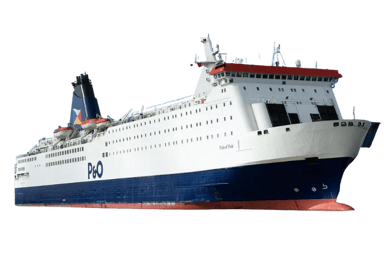
P&O Ferries Pride of York: A Hybrid Ferry with a Storied Legacy
When diving into the world of hybrid ferries, few vessels carry the history and engineering nuances like the P&O Ferries Pride of York. Built primarily as a Ro-Pax Class ferry, this vessel was designed to ferry not only passengers but also vehicles, merging the efficiency of roll-on/roll-off technology with passenger comfort. With its retired status, the ship now serves as a remarkable case study in maritime design, operational performance, and sustainable initiatives from a bygone era. On paper, the Pride of York reflects a blend of mid-range speed, substantial capacity, and robust engineering tailored for its crossing roles, making it a useful benchmark for enthusiasts and professionals alike.
Detailed Specs & Features
According to specs, the Pride of York emerges as a substantial vessel set within the context of hybrid ferries. The ship's Gross Tonnage of 31,785 tons supports its carrying capacity of up to 1,050 passengers, with accommodations spread across 7 decks. This ratio between size and capacity hints at a focus on maximizing space without overcrowding, helped by a public space ratio of 3.33:1, which ensures a reasonable distribution between passenger amenities and cabin space.
The ferry's length overall of 588 feet and a beam stretching just over 82 feet provide the ship with the stability necessary for the North Sea conditions in which it operated. With a steel hull construction, the vessel underlines its durability and adherence to the maritime safety standards of its era. The propulsion system is particularly interesting; powered by two Wärtsilä-Sulzer diesel engines delivering a combined 24,000 kW of total power output, it offered a maximum speed of 19 knots.
Intriguingly, it also claims a service speed of 24 knots, which suggests operational efficiency optimized for scheduled route timeliness rather than raw maximum speed. The fuel capacity, nearly 1,056,000 liters, supports a cruising range of around 1,000 nautical miles, further confirming its design for medium-distance crossings like Hull to Zeebrugge. Protective elements such as stabilizers and bow thrusters offer increased maneuverability and comfort in rough seas, both essential for passenger ferries operating in the often-challenging North Sea weather.
User Experience & Performance (Based on Specs)
Design & Build
The ship's design marries function and tradition. Its seven passenger decks house 500 cabins, including 30 suites and 100 oceanview cabins, presenting a varied selection for travelers. The absence of balcony cabins might initially seem limiting, but an average cabin size of 108-129 square feet helps balance space efficiency with comfort. The vessel's height, listed as 118 feet with a maximum air draft of 151 feet, allowed it to navigate slots in port infrastructure without difficulty, while supporting ample public amenities.
Furthermore, a crew complement covering 3 decks emphasizes operational segregation, enhancing both staff efficiency and passenger privacy. Given this, the Pride of York reflects sturdy construction and smart compartmentalization typical of late 20th-century ferry design, prioritizing reliability over extravagance.
Performance
On the flip side of design, its propulsion details unveil a vessel that is reliable yet not groundbreaking by modern standards. The diesel engines, fueled by Marine Diesel Oil (MDO), indicate that while the ship maintained a respectable power output and speed, its environmental footprint would be higher than contemporary LNG or hybrid-ready counterparts. Even so, the inclusion of stabilizers and bow thrusters enhances seakeeping and harbor handling, which is significant for safety and passenger comfort. The massive fuel capacity aligns with the ship's operational profile, sustaining longer sailings typical for North Sea routes.
Safety & Regulations
Sailing under the Bahamas registry, the Pride of York complied with the SOLAS safety certification, which is the global benchmark for maritime safety. Its firefighting apparatus featured sprinklers, fire doors, and smoke detectors, a comprehensive suite that met the expectations of its time. The ship was well-equipped with 8 lifeboats and 12 life rafts distributed across 6 muster stations, supporting an evacuation plan that, per specs, complies with prescribed evacuation time benchmarks. Additionally, environmental compliance through MARPOL regulations suggests an early application of maritime pollution controls. While lacking an ice class rating, the ship was specifically attuned to temperate climates, neither intended nor equipped for icy waters. These factors combine to present a vessel balanced for reliable, passenger-focused ferry operation with sound safety and environmental considerations.
Dining & Cuisine
With 4 dining venues, including a buffet and specialty restaurants, the culinary offerings cater to diverse tastes, though steer clear of gourmet exclusivity. The presence of multiple bars and lounges, along with casual dining cafés, enriches the ship's hospitality. Nutritional preferences find consideration with available vegetarian, vegan, and gluten-free options, a nod to growing dietary awareness. However, the absence of advanced culinary classes or sommelier services signals a more comfort-driven approach rather than luxury gastronomy. Nevertheless, the availability of room service and gala nights underlines the ship's commitment to passenger convenience and special-event dining experiences.
Recreation & Wellness
Interestingly, the Pride of York did not include swimming pools, jacuzzis, or saunas, which contrasts with modern cruise ships emphasizing extensive leisure facilities. Instead, it focused on practical wellness with a fitness center and entertainment spaces such as a show lounge that accommodates around 300 guests, indicating a venue for communal activities like live music. Kids and teens enjoyed dedicated facilities like clubs and lounges, balancing family needs with passenger comfort. The lack of adult-only areas and extensive sports courts reflects the ferry's original role as a conveyance rather than an all-purpose cruise experience.
Entertainment & Excursions
Entertainment options featured a casino, a library, and live music venues that enhance the onboard atmosphere without overwhelming passengers. Shore excursions were culturally curated, favoring city sightseeing and tours, appropriate for a ferry operating on relatively short, fixed routes rather than long cruises. The absence of cinemas, virtual reality arcades, or expedition gear reminds us that Pride of York was designed before the surge in experiential cruise travel that defines today's leisure ships.
Technology & Connectivity
Navigation and communication systems integrate advanced maritime technologies of their time, including an Integrated Bridge System and radar arrays spanning X-band, S-band, and ARPA capabilities. VHF and satellite communications supported safety and coordination, alongside a semi-automated bridge control enabling efficiency without losing human oversight. Passengers benefited from onboard digital services, with WiFi and satellite TV included, an impressive feature for a vessel built decades ago. Smart cabin controls further hint at a tech-forward approach to passenger comfort, although full digital cabin assistants were not part of this ship's configuration.
Sustainability & Environmental
Remarkably, for a ship constructed in the late 20th century, the Pride of York incorporated significant environmental measures. Wastewater treatment, ballast water management, and emission reduction technologies like scrubbers and catalytic converters align with modern maritime environmental standards. Its shore power capabilities and initiatives to reduce single-use plastics and participate in carbon offset programs underscore a proactive stance on sustainability, exemplary for a ferry of this age. Solar panels were also part of its green features, revealing early adoption of alternative energy components long before they became widespread across the industry.
Service & Operations
Operationally, the ship called King George Dock in Hull its home port and maintained a swift turnaround time of 1 hour at ports, emphasizing its role as an efficient connector rather than a leisure cruise liner. The multicultural crew underwent STCW-standard training, ensuring professional competence aligned with international obligations. Services like concierge, customer support, and daily housekeeping contributed to high passenger satisfaction. Multilingual capabilities in English, Spanish, German, and French further suggest a keen attention to diverse passenger needs on European routes.
Pros & Cons
Pros
- Robust safety features with full SOLAS compliance
- Comprehensive environmental control technologies for its era
- Balanced passenger capacity with ample public and cabin space
- Well-equipped navigation and communication systems
- Multilingual crew and quality onboard service
Cons
- No balcony cabins or modern luxury wellness facilities
- Diesel propulsion has higher emissions than contemporary alternatives
- Lack of digital cabin assistants and modern entertainment options
- Retired status limits current operational relevance
Price & Value for Money
Available recently at $59.39 at P&O Ferries, the Pride of York remains an affordable, historically rich ferry experience for its time. Given its substantial maximum passenger capacity and diesel propulsion providing reliable service speeds, the pricing feels justified for routes requiring a dependable, practical hybrid ferry. That said, passengers seeking modern cruise luxuries or eco-friendly propulsion technologies might find the ship less appealing. The combination of decent amenities with solid safety features makes it particularly worthwhile for travelers looking for efficient, no-frills sea crossings rather than a cruise holiday.
Quick Take
In short, the P&O Ferries Pride of York is a well-rounded hybrid ferry engineered to serve medium-distance routes with reliable speed and safety. If we look at the numbers alone, its robust build quality, extensive passenger capacity, and environmental initiatives stand out., However, it doesn't match the luxury or tech sophistication of modern cruise liners. This ship represents a faithful and practical ferry solution embedded in the operational realities of its era.
Closing Recommendation
The Pride of York may be ideal for ferry enthusiasts and researchers interested in maritime engineering evolution during the late 20th century, especially in the Ro-Pax class hybrid segment. It performs best for routes requiring efficient transfers between ports with moderate distance and passenger volumes, offering a stable and safe crossing. For those prioritizing cutting-edge luxury or deep environmental sustainability measures, newer vessels are more appropriate alternatives.
Verdict
Rating: Based on the specifications and overall feature set, we believe P&O Ferries Pride of York deserves 4.5 out of 5.
- Winner Feature => Robust safety and environmental compliance integration for its time.
- Needs Improvement => Lack of modern luxury amenities and cleaner propulsion technology.
Reviews 0
The good, the bad, and the brutally honest.Average Rating

More Cruise Ships 831
Unlock more awesome finds.